
Why Did Arcade Gaming Become Irrelevant? Exploring the Biggest Factors Behind Its Downfall
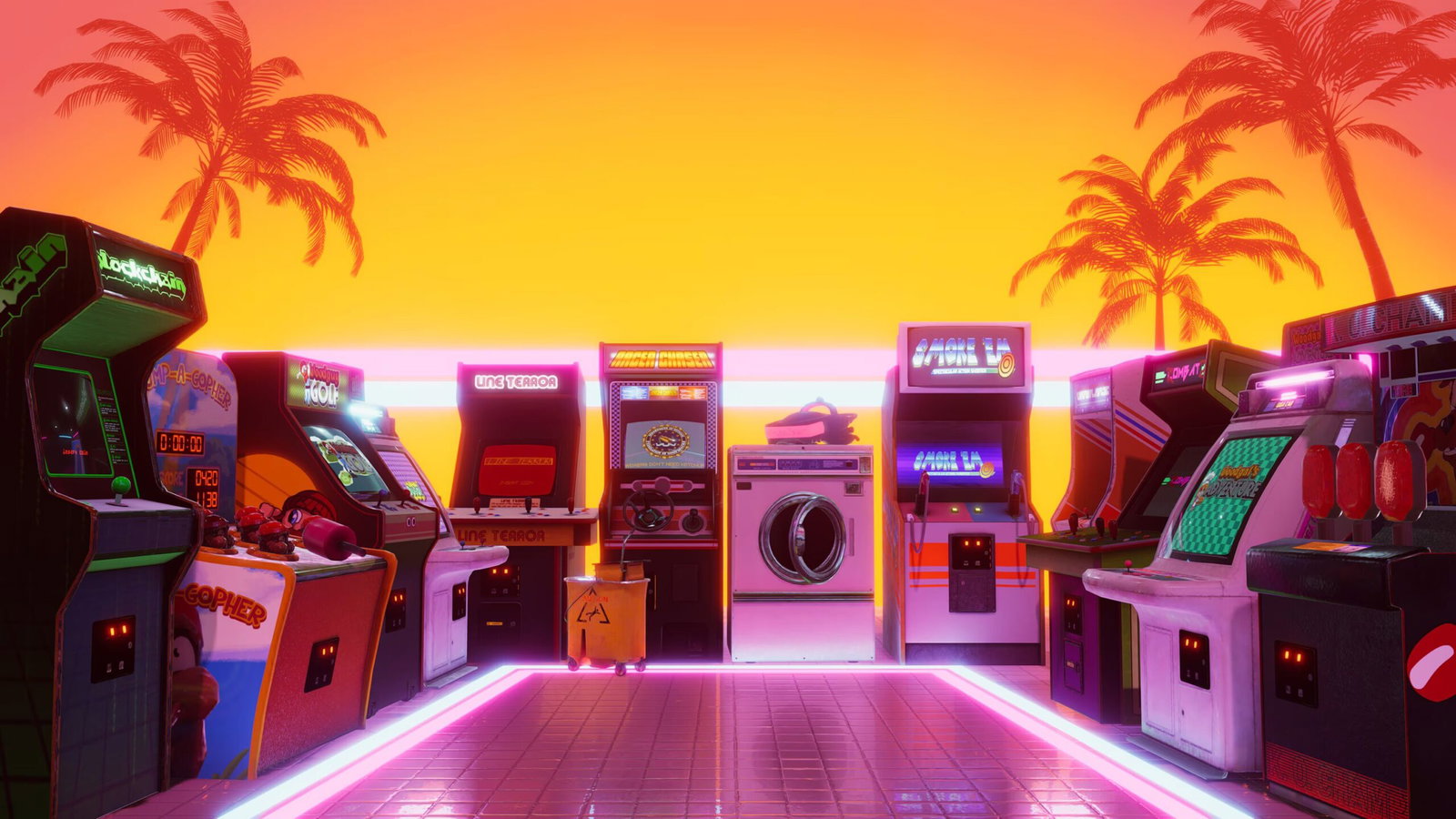
Arcade gaming once defined an entire era of video games, but is now buried under modern-age titles. However, it didn't happen overnight. It was actually a slow collapse.
Arcade gaming generated billions before the 1983 crash rattled the industry. The rise of home consoles eventually turned these social hubs into a niche market. This is how the industry evolved beyond physical venues.
As people leaned more towards consoles, it eliminated the need for arcades. This revolution was brought by early home consoles like the Magnavox Odyssey, Atari 2600, NES, and SNES in the 70s and early 80s. But the final shift came with the likes of PlayStation in 1994, which brought the arcade into living rooms.
The core advantage of arcades was hardware power. But once consoles matched that, the entire business model broke. Hence, owning full-fledged games made more sense than paying per play.
Operational cost was another major reason behind the downfall of arcade gaming. Rising rents in malls and declining foot traffic reduced profitability. Many arcades relied on high-volume locations. Once the malls started declining, it was over for arcades.
Consumer habits also changed. Instead of gathering at arcades, players started connecting digitally from home. Social gaming turned online, and physical meetups got replaced by multiplayer console networks.
This decline was further driven by mobile gaming. Games which once needed dedicated machines later became available in the palm of our hands.
As developers started prioritizing consoles and PCs over arcade machines by the late 1990s, the need for physical venues reduced too.
How Arcades Still Survive Today as a Niche Experience
Arcades have now evolved into an experience rather than just games.
A clear example is Barcade. Here, retro machines meet a hospitality-driven setup. It doesn't just rely on coin-operated revenue, it also includes revenue generated through food and beverages.
Another example is Round One Corporation. These venues are not just arcades. They combine bowling, karaoke, sports activities, and gaming under one roof. Hence, this diversified mode attracts groups, rather than just solo gamers.
In Japan, arcades still survive the old way, but in a newer form. They offer experiences which can't be replicated at home, rhythm games, crane machines, arcade center-exclusive titles, and many more.
Arcades that survived did not stick to the old model. They shifted toward experiences, social environments, and hybrid entertainment.
Read more at Gaming Community by Max Level!
Written by

Nilendu Brahma
Edited by

Pulkit Prabhav