
via Imago
Image via YouTube/Pinkymus.
In Minecraft Survival mode, your starting biome decides your progression speed and struggles. It also determines whether you survive the first night.
Some biomes may provide you with an abundance of food, good shelter, and safety immediately like Taiga. Some may leave you stranded, with threats around even before the first night ends.
These ten biomes offer the best balance of resources and safety for starting a new world.
1. Plains Biome
This starter-friendly biome stands out by being one of the safest in-game. The flat terrain makes building easy. Safety during the day is easy due to the lack of dense trees making the hostile mobs easy to spot and avoid.
Plains has abundance of food and transportation with animals like cows, sheep, and horses around. Villages also spawn frequently here. So, you get instant shelter, beds, and trading opportunities.
2. Forest Biome
Forest biome gives quick access to essential resources. Tools, crafting tables, and shelter setup become easy, as wood is everywhere. You will also get steady food supplies with passive mobs. However, the tree cover can hide mobs during the day.
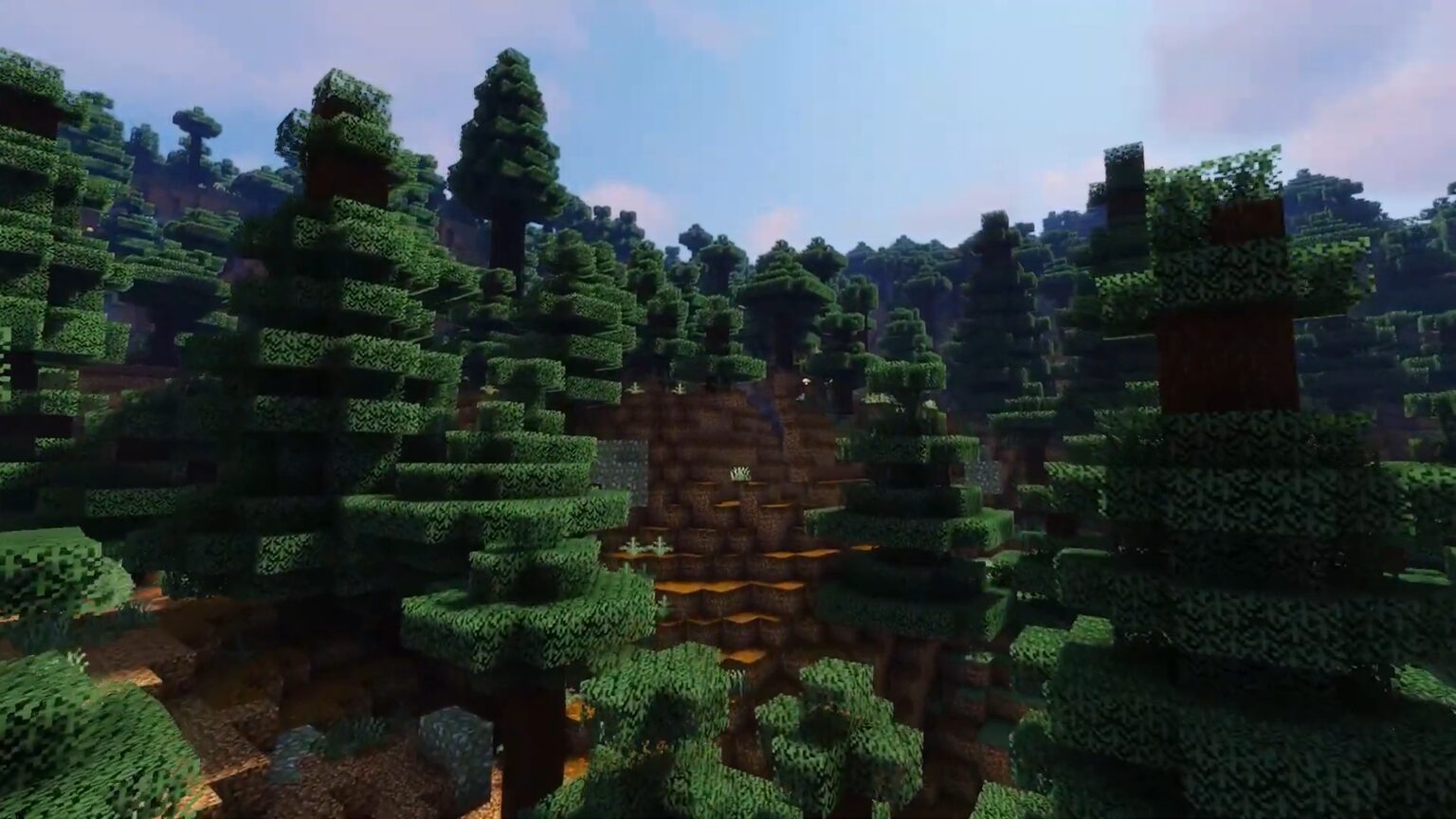
3. Taiga Biome
Taiga is one of the most balanced biomes for survival, offering both safety and resources, with Spruce trees for wood, and sweet berry bushes for food. Hostile mobs can be managed by taming wolves that spawn here. Villages and caves are also found nearby, easily managing the early and mid-game sections.
4. Savanna Biome
The Savanna Biome gives open terrain along with decent resource availability. The wide visibility makes it easy for you to spot hostile mobs. Animals spawn frequently, and villages are also common here. The only downside of this biome is that harvesting acacia trees is annoying due to their shape.
5. Meadow Biome
Meadows are full of passive mobs, flowers, and bees, offering a strong survival setup. They are often found near mountains, so valuable ores like emeralds are easier to access. However, there are fewer trees, so getting wood can be difficult.
6. Lush Caves Biome
Once you are geared up, Lush Caves become one of the best underground biomes for survival. There is no shortage of resources, such as ores, glow berries for food, and water for farming.
These caves may connect to mineshafts and other structures, so exploration rewards are high. However, you need to light up the area well to control hostile mobs.
7. Mountains Biome
High elevation gives you a natural advantage against mobs and better visibility of nearby areas. Coal and emeralds are often found near the surface, which helps early progress. The only drawback is that you may need to go downhill to get wood.
8. Jungle Biome
With a mix of resources that includes melons for food, bamboo for fuel, and Jungle Temples that are full of decent loot, Jungle biomes are a great spawn point for easy progression. However, the thick plants can make it harder to see hostile mobs.
9. Snowy Taiga Biome
This biome might look harsh, but it's extremely strong for survival gameplay. Abundance of trees and animals provides wood and food, respectively. Wolves are there as well for defense. You will get ready-made shelter and loot through igloos and villages.
The only real challenge is frozen water affecting farming, but that can be fixed with proper lighting.
10. Mushroom Fields Biome
Mushroom fields are one of the safest biomes, since hostile mobs do not spawn here. Mooshrooms provide food, and mushrooms also spawn naturally, giving easy access to stew. The biome lacks trees, so you will need saplings to grow them. Villages do not spawn here either, which can slow early-game progression.
Minecraft 1.18 Caves & Cliffs update made the biomes next to mountains highly valuable for early-game survival. With the increase of world height, ore distribution made iron and coal easily available, reducing the need to dig deep early on.
Read more at Gaming Community by Max Level!
Written by

Nilendu Brahma
Edited by

Pulkit Prabhav