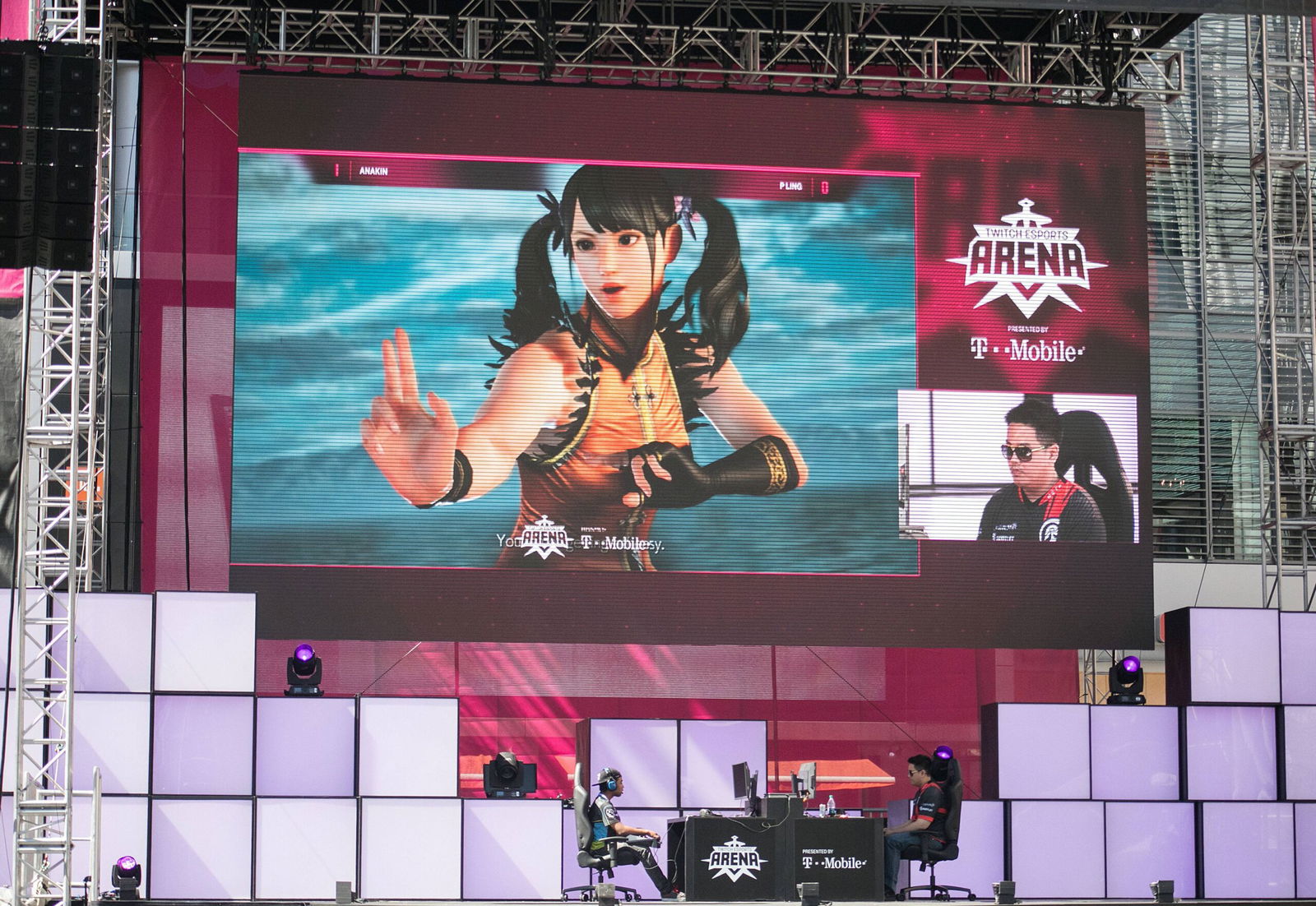
June 14, 2017 - Los Angeles, California, U.S - Tekken 7 Tournament at the Twitch ESports Arena at the Electronic Entertainment Expo E3 at the Los Angeles Convention Center on Wednesday June 14, 2017 in Los Angeles, California. Los Angeles U.S. PUBLICATIONxINxGERxSUIxAUTxONLY - ZUMAp124 20170614zaap124015 Copyright: xArianaxRuizx
June 14, 2017 - Los Angeles, California, U.S - Tekken 7 Tournament at the Twitch ESports Arena at the Electronic Entertainment Expo E3 at the Los Angeles Convention Center on Wednesday June 14, 2017 in Los Angeles, California. Los Angeles U.S. PUBLICATIONxINxGERxSUIxAUTxONLY - ZUMAp124 20170614zaap124015 Copyright: xArianaxRuizx
Few genres create the same kind of thrill as fighting games. Landing a perfect combo to finish a match, or turning things around with almost no health left, still hits the same way every time. From their arcade roots, fighting games have grown into a key part of competitive play at home.
Over the years, we have come across some masterpieces of the fighting genre, but some rank above others. So let’s take a look at the crème de la crème, the top 10 greatest fighting games of all time.
10. Injustice 2 (2017)
Injustice 2 builds on the Gods Among Us storyline with a strong focus on its single-player mode. The characters can transition between arenas using the interactive environments, adding variety. It also improves on Injustice 1's mechanics, making combat feel more refined.
9. Dragon Ball FighterZ (2018)
Arc System Works got the Dragon Ball Z feel right. The visuals resemble the anime, and fights are fast. The 3v3 system focuses on how the team works together, not just one character. Combos can be relied on, but that doesn’t go far once matches get more serious. Assists and timing end up deciding most situations.
8. Guilty Gear Strive (2021)
This anime-styled fighting game features stunning 2.5D graphics that resemble hand-drawn animation. It pushed the industry toward adopting rollback netcode by proving that a fast-paced and aggressive technical fighter could be played smoothly online across the world.
7. Mortal Kombat II (1993)
Often seen as the game that made the series what it is today, Mortal Kombat II refined the original with tighter combat, a better roster, and more brutal Fatalities. The mechanics may feel old today, but it has a strong cultural impact. The game helped define early 90s arcade fighters and shaped the genre’s identity.
6. Tekken 3 (1997 Arcade, 1998 PS1)
Tekken 3 changed the original mechanics of head-on fights. You could move around, change angles, and avoid situations instead of taking them. The combat was less direct and players relied more on awareness and timing rather than just execution.
5. Super Smash Bros. Melee (2001 GameCube)
This game may look simple, but Melee demands far more once you get into it. Techniques like wavedashing and precise movement pushed the skill ceiling well beyond what most players expected. The game goes beyond the gameplay to a point that it is still relevant in the competitive scene.
4. Tekken 7 (2017 for PC/ Consoles)
Tekken 7 updated its predecessors and introduced a modern competitive aspect to it. The slow-motion clashes at the end of rounds and the addition of Rage Arts created a dramatic scene while working with the same core fundamentals. It also managed to stay relevant in tournaments for years, which few fighters achieve.
3. Street Fighter II Turbo (1992 Arcade, SNES 1993)
Street Fighter II Turbo refined the existing formula by accelerating gameplay and tightening balance. With speed, came reduced reaction windows, which required precise decision-making and punishments were now more consistent. This affected the competitive standards and established principles of pacing and pressure that are a core part of modern fighting game design.
2. Street Fighter 6 (2023)
It was only a matter of time before the Street Fighter franchise appeared on this list, and it does so with its most recent release. The Drive System and Modern Controls scheme significantly changed the game. It introduced 18 distinct characters, while the World Tour RPG mode stands out as a unique addition.
1. Street Fighter III: 3rd Strike (1999 Arcade, ported to PS2 in 2004)
Street Fighter III: 3rd Strike sits at the top because of how much control it gives the player. The Parry system removes safety, every move can be challenged if your timing is right. That changes how matches play out, turning them into constant reads instead of safe pressure. The animation still holds up, but it’s the decision-making that keeps it relevant.
Which fighting game will you try next? Let us know in the comments below.
Read more at Gaming Community by Max Level!
Written by

Nisarga Aseem Barkule
Edited by

Pulkit Prabhav