Image via: Square Enix
Image via: Square Enix
These nine games span multiple console generations, yet each helped redefine what a Japanese role-playing game could be. From reinventing turn-based combat to blending action mechanics with deeper storytelling, they left a lasting impact on both the genre and the industry.
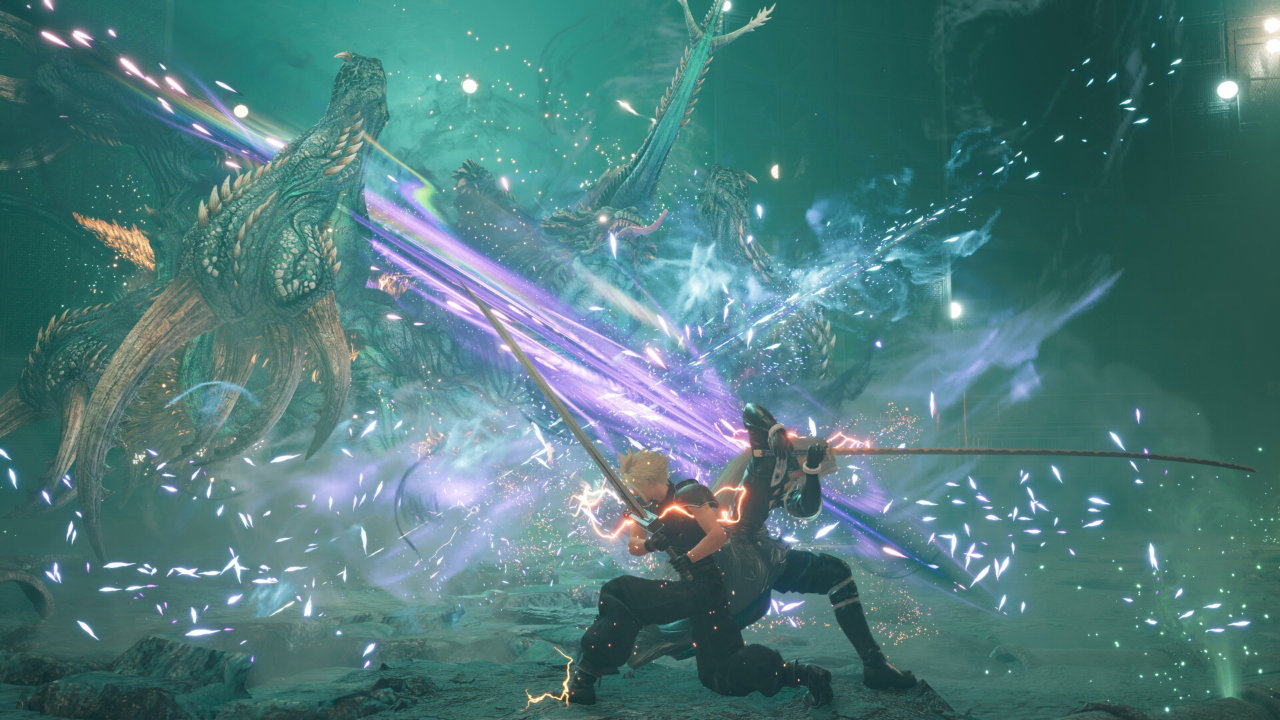
From Cloud's evolution in Final Fantasy VII Rebirth to 2B's story in NieR: Automata, some titles left a lasting mark on players.
Here is a list of nine of the best Japanese role-playing games that represent the genre's evolution from turn-based classics to action hybrids. The list is not arranged in any ranking or order.
Some of these are taken directly from Metacritic's website.
Lost Odyssey - Mistwalker (2007)
Lost Odyssey's world is built around a Magical Industrial Revolution. As geopolitical strife gets worse, two nations race one another in the creation of weapons of mass destruction.
The game's themes were very relevant for its time, which helped elevate its overall impact. In terms of gameplay, its turn-based combat, random encounters, five-party-member system, and four magic classes feel timeless.
The game's presence is elevated by music from Final Fantasy veteran Nobuo Uematsu. On Metacritic, it has a score of 78.
Final Fantasy VII Rebirth - Square Enix (2025)
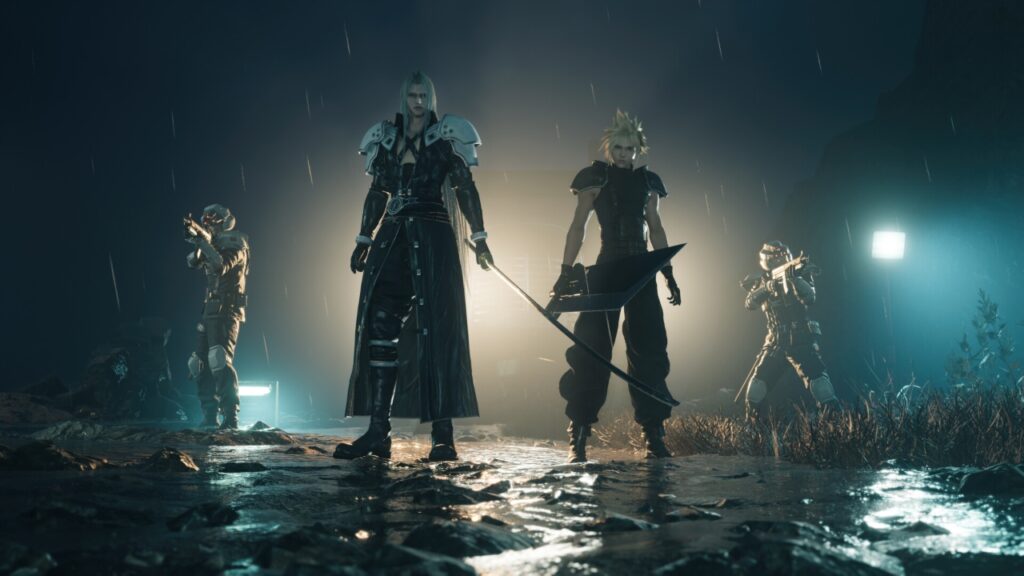
Image via Square Enix
Image via Square Enix
Square Enix has recreated the FFVII experience fit for modern devices in a beloved trilogy. The game brings to life some of the franchise's most beloved characters, such as Cloud Strife and Tifa Lockhart.
The game's characters drive the most interest among players. Sephiroth makes for a very memorable antagonist, and Cloud Strife's evolution from a hesitant hero to a dedicated leader is truly worth witnessing.
The game's combat system, though it features turn-based fighting, also implements real-time action. Moreover, Square Enix's active-time battle system shines brighter than ever before.
FFVII Rebirth is one of the best remakes in the franchise with a Metacritic score of 92.
NieR: Automata - PlatinumGames (2017)
Set during the war between Machines and Androids, NieR: Automata abandons the traditional turn-based combat route in favor of action-based hack-and-slash combat.
It introduced fans to Android 2B, 9S, and A2, who have become cultural icons ever since.
Famitsu gave NieR: Automata a score of 39/40, while GameSpot gave it 9/10. The game has a Metacritic score of 88 for the original base game.
Overall, NieR: Automata did a lot of things right. Its story was moving, the action was exhilarating, and of course, the characters were incredibly memorable.
Golden Sun - Camelot (2001)
Rated at 91 on Metacritic, Golden Sun received Universal Acclaim on the review aggregator. The game was released in 2001 for the Gameboy Advanced and became a sensation.
In the game, you control four characters, fight monsters, earn new weapons, and unlock new abilities. Its 2D environment featured stunning graphics, which were praised by many of its critics.
Apart from that, it has random monster encounters as well as a well-paced storyline that leads to several boss fights. The game’s overall appeal was only elevated by Djinn and Psynergy mechanics.
The Legend of Heroes: Trails in the Sky - Nihon Falcom (2004)
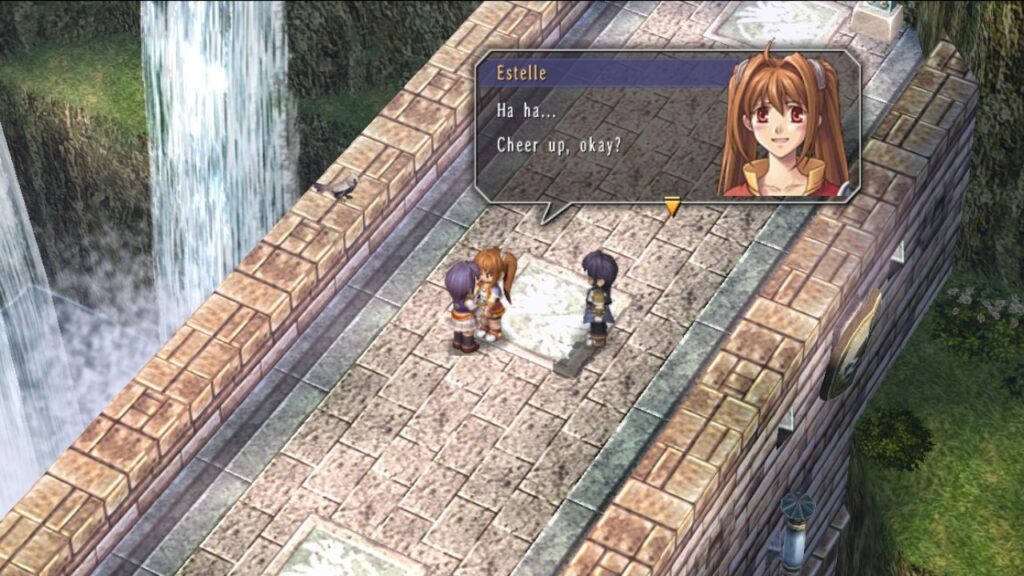
Image via Nihon Falcom
Image via Nihon Falcom
The Legend of Heroes: Trails in the Sky follows Estelle and her adopted brother Joshua. On their journey to become members of a peacekeeping organization, they uncover a plot to overthrow the monarchy and must act to keep the country of Liberl safe.
The game delivers the traditional Japanese RPG experience with a few well-paced twists.
On Metacritic, the game has a score of 79 for the PSP and 85 for the PC version. IGN praised its “amusing writing, dynamic combat, interesting tasks, an absorbing narrative, and hours upon hours of gameplay," while admitting that it may not be for everyone
In the game, players can come across enemies simply roaming the fields and choose to fight by coming into contact. It has a narrative split into five sections and well-written characters that may appeal to some.
Kingdom Hearts II - Square Enix (2005)
Despite its numbering, Kingdom Hearts II is actually the third game in the franchise. The game further builds upon the story of its protagonist, Sora, who returns in this installment to look for his lost friends.
Disney and Square Enix collaborated for the game, so Goofy and Donald Duck also appear as protagonists in it. Kingdom Hearts II does not follow the traditional Japanese RPG combat system and introduces hack-and-slash ARPG-style action instead.
On Metacritic, the game has a score of 87. Critics praised the additions made to its combat system, which truly made this Square Enix-Disney collaboration memorable.
Breath of Fire III - Capcom (1997)
Breath of Fire III takes players into a world where anthropomorphic creatures and humans co-exist. The protagonist, Ryu, is the last of The Brood, which refers to humans with the ability to turn into dragons.
Breath of Fire III introduces players to multiple playable characters. The story is intensely character-driven, and you’ll meet various individuals with interesting abilities. The game features turn-based strategy and restricts the party to three members, where players may attack, defend, use magic, or even run away from the fight.
The game received positive reviews from various critics. Famitsu gave it a score of 28/40, while Game Informer gave it an 8.75/10. Many praised the game’s craftsmanship, design, and immersive world.
Tales of Vesperia - Namco Tales Studio (2008)
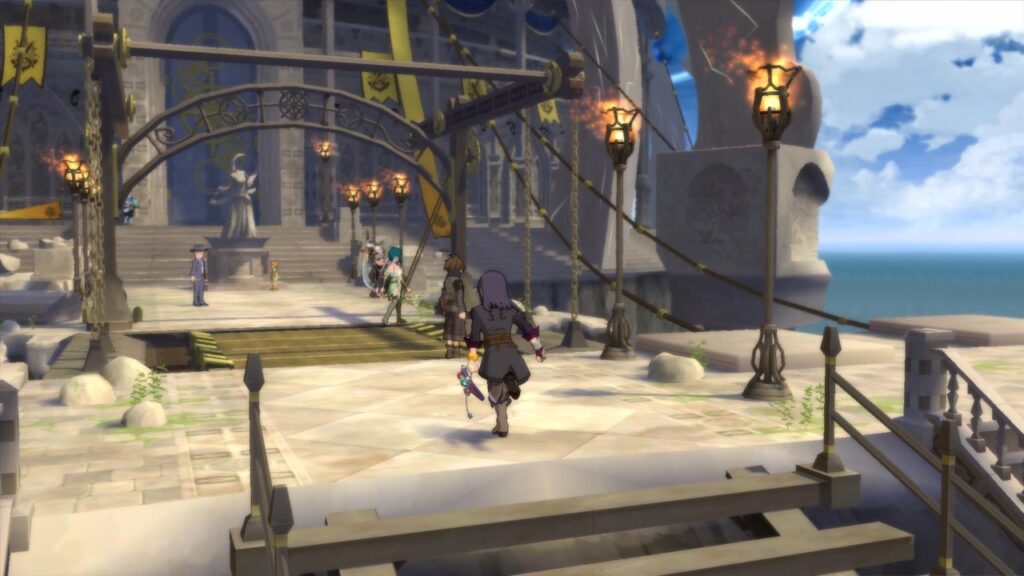
Image via Namco Tales Studio
Image via Namco Tales Studio
Set in the magical world of Terca Lumireis, Tales of Vesperia tells the story of Yuri Lowell, who must confront an old friend while trying to shut down the misuse of magical resources.
Tales of Vesperia is the tenth entry in the franchise and features Bandai Namco’s signature Linear Motion Battle System. It’s an ARPG title, so one shouldn’t expect turn-based combat. However, given the game’s unique system, fights play out like a Fighting Game.
The game received a Metacritic score of 79, with critics like Edge praising its combat and characters. Overall, the game received positive reviews for its style, battle system, graphics, and plot.
Chrono Cross - Square (1999)
Chrono Cross takes a more sci-fi approach to the Japanese role-playing game genre. You play as Serge, a teenager who discovers parallel worlds and the truth about two worlds’ divergence. In an alternate reality, Serge died as a child. Now he must find what his past holds.
The game has the same combat mechanics as Chrono Trigger. Your enemies are generally visible on your map or wait to ambush you. Coming in contact with a foe switches the game to a battle screen where fighting is turn-based.
The game received a Metacritic score of 94, which puts it in the Universal Acclaim category. Many praised its plot, combat system, and striking visuals. GameSpot gave it a perfect 10, while Famitsu gave it 36/40. It is one of the most successful games in the franchise and, for many, the best.
Which one of these is your favorite? Let us know in the comments.
Read more at Gaming Community at Max Level!
Written by

Prit Chauhan
Edited by

Pulkit Prabhav