
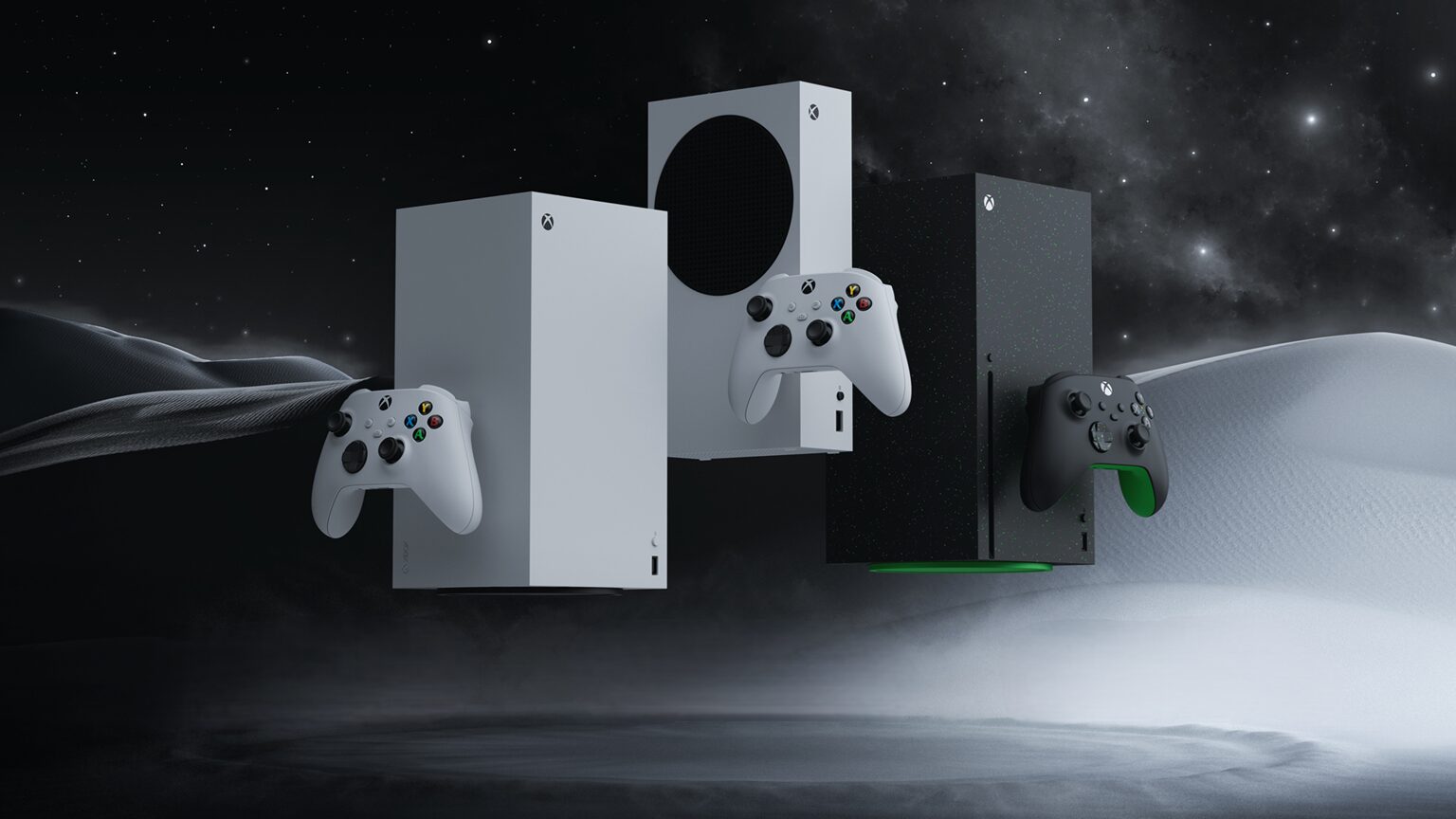
Image via XBOX.
Image via XBOX.
Consumers are hoping memory prices will eventually return to pre-AI boom levels. Lenovo, however, believes that may not happen for years, with the company expecting elevated DRAM and NAND prices through 2030 and possibly beyond.
Lenovo does not expect memory prices to fall back to pre-2025 levels anytime soon. In its ISC 2026 presentation, the company said growing demand could offset the extra supply coming from Samsung, Micron, and SK Hynix.
Lenovo Executive Director Martin Hiegl even joked during the presentation that prices would "never" return to previous levels. While the remark was made in jest, it reflected the company's view that memory costs are unlikely to return to pre-AI levels anytime soon.
Windows 11 logo on the screen laptop computer black textured wall with white light. A new operating system update from Microsoft. Astana, Kazakhstan - July 2, 2023. xkwx windows windows 11 development information corporation evaluation os version symbol software windows 11 logo preview operating win beta insider editorial display build new windows refreshing fresh application service interface online 11 update system screen program settings surface computer icon media logo business technology window internet news company store app phone bar studio microsoft programm
Windows 11 logo on the screen laptop computer black textured wall with white light. A new operating system update from Microsoft. Astana, Kazakhstan - July 2, 2023. xkwx windows windows 11 development information corporation evaluation os version symbol software windows 11 logo preview operating win beta insider editorial display build new windows refreshing fresh application service interface online 11 update system screen program settings surface computer icon media logo business technology window internet news company store app phone bar studio microsoft programm
The company believes AI demand is the main reason memory prices remain high. With more memory being allocated to AI data centers, less is available for consumer products.
Micron has already said it cannot fully meet demand, while SK Hynix is expanding its manufacturing capacity. Even so, Lenovo believes the additional supply may not be enough to close the gap, according to ComputerBase.
The effects could be felt across the consumer tech market. If DRAM and NAND prices remain high, products such as gaming PCs, laptops, smartphones, and game consoles could become more expensive.
Lenovo is not suggesting prices will stay unchanged through 2030. However, according to the company, memory costs are unlikely to return to pre-AI levels anytime soon.
AI demand continues reshaping the memory market
Several memory manufacturers have also pointed to AI as one of the major factors affecting the supply constraints, joining Lenovo in this view.
Tom's Hardware reported that DRAM prices increased by more than 171% year-over-year in Q3 2025. Some memory products even saw prices rise by more than 200% compared to early 2025 levels.
AI companies continue to buy large amounts of memory, and Lenovo does not expect that demand to slow anytime soon. Even with new factories being built and production increasing, the company believes it may take years before supply catches up. According to the same report, Lenovo does not expect memory prices to return to pre-2025 levels.
If Lenovo's prediction proves accurate, how much would higher memory prices influence your next PC, laptop, or smartphone upgrade?
Read more at Gaming Community by Max Level!
Written by

Nilendu Brahma
Edited by

Pulkit Prabhav